Face Sculpting » Non-Surgical Rhinoplasty
Balance, harmony, and symmetry form the cornerstone of ideal facial aesthetics. Ideal facial and nasal proportions, first documented in ancient Egyptian hieroglyphs and subsequently codified during the Renaissance, serve as objective canons to assess the relationships between the nose and surrounding facial structures across length, width, and projection in both frontal and lateral views.
Frontal View Analysis: Facial balance is evaluated by dividing the face into horizontal thirds (hairline to interbrow, interbrow to nasal base, nasal base to chin) and vertical fifths. The nose should ideally occupy one-third of total facial length and one-fifth of total facial width, with the intercanthal distance (space between inner eye corners) matching the width of the nasal base (alps). The ideal frontal nasal contour is defined by two subtle, aesthetic lines originating at the inner eyebrows and gently curving down to the tip.
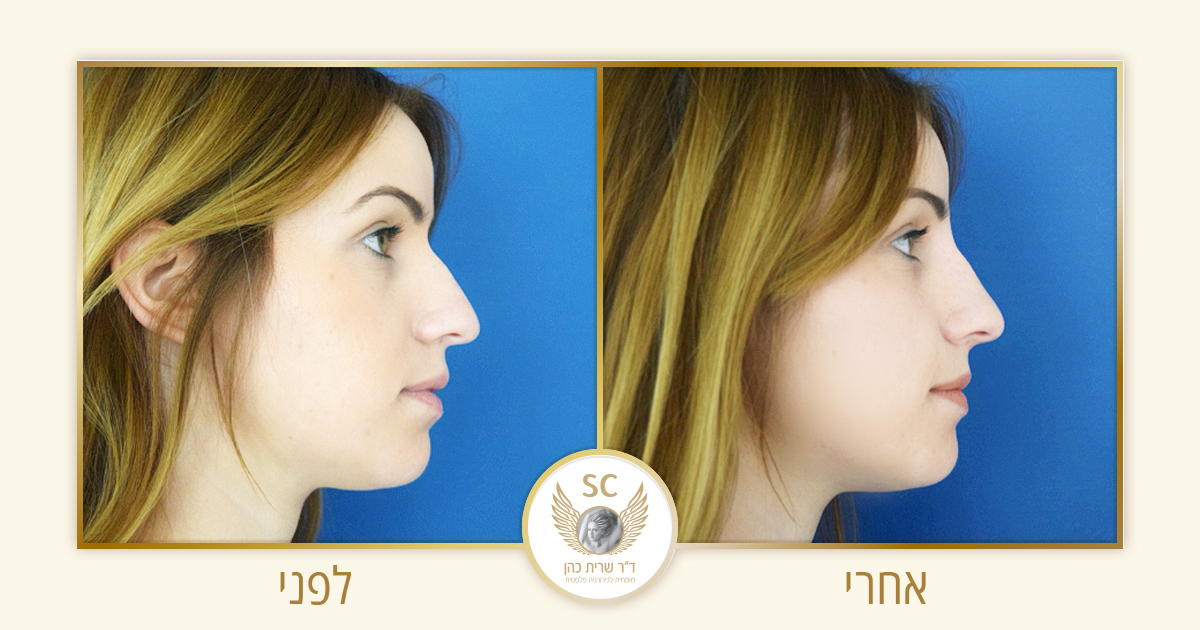
Lateral Profile Analysis: Key parameters include nasal length, dorsum profile, tip rotation, and tip projection. Nasal length is measured from the nasion (nasofrontal suture) to the tip. In women, an ideal aesthetic dorsum lies ~2 mm behind and parallel to a straight line from the nasion to the tip, featuring a subtle mid-dorsal concavity. In men, the nasal dorsum is higher, broader, and straight.
While traditional surgical rhinoplasty remains the gold standard for structural reduction, minimally invasive liquid rhinoplasty offers a transformative non-surgical alternative in appropriately selected candidates:
Filling architectural hollows and structural deficits.
Elevating a low nasion or shallow nasal dorsum (common in Asian and Afro-American nasal anatomy).
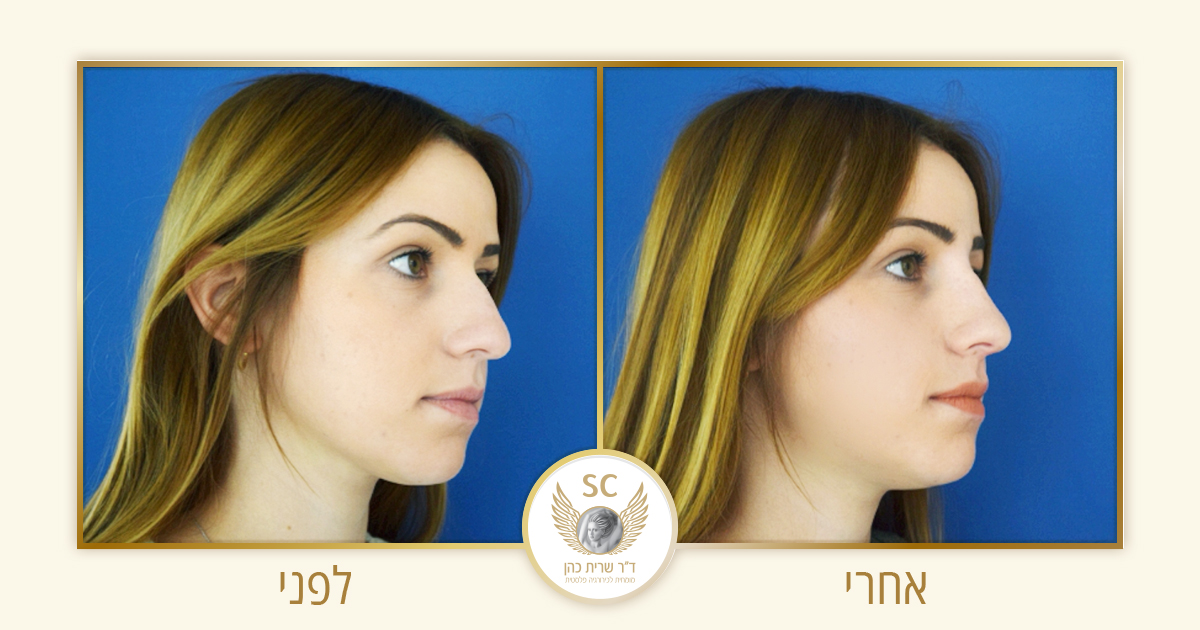
Smoothing minor bony humps by blending the dorsal contour above and below the hump.
Correcting tip asymmetry or elevating a mildly drooping tip.
Excessive surgical resection of bone or cartilage during prior rhinoplasty can leave structural depressions, asymmetry, or airway collapse. Non-surgical sculpting effectively camouflages dorsal irregularities, restores symmetry, fills soft-tissue depressions, and corrects deformities such as an “inverted V” collapse or a “saddle nose” (excessive dorsal depression).
Restoring youthful projection and elevating a ptotic tip caused by age-related loss of premaxillary bone support and ligament laxity.
Smoothing internal valve narrowing by expanding soft-tissue support to improve nasal airflow in cases of alar or tip collapse.
Non-surgical rhinoplasty is conducted under local topical anesthesia using high-G-prime dermal fillers—primarily Hyaluronic Acid (HA) or Calcium Hydroxylapatite (Radiesse®). Due to its biocompatibility, structural stiffness, high elasticity, and capacity to stimulate native neocollagenesis, Radiesse® serves as an exceptional structural filler for precise nasal contouring with long-lasting persistence.
Procedure & Suitability: The procedure is swift, virtually painless, and requires zero downtime, often achieving optimal results in 1 to 2 refined sessions.
Note: Non-surgical rhinoplasty cannot reduce overall nasal size, correct severe septal deviations, or replace open surgical repair when significant tissue reduction or osteotomies are required. However, for patients seeking non-invasive enhancement, post-surgical corrections without re-operation, or high-precision profile balancing, non-surgical liquid rhinoplasty provides an immediate, safe, and highly satisfying result.
We use “cookies” to improve your browsing experience and for statistical analysis. Continued use of the site constitutes agreement to this. For more information, please refer to our Privacy Policy.