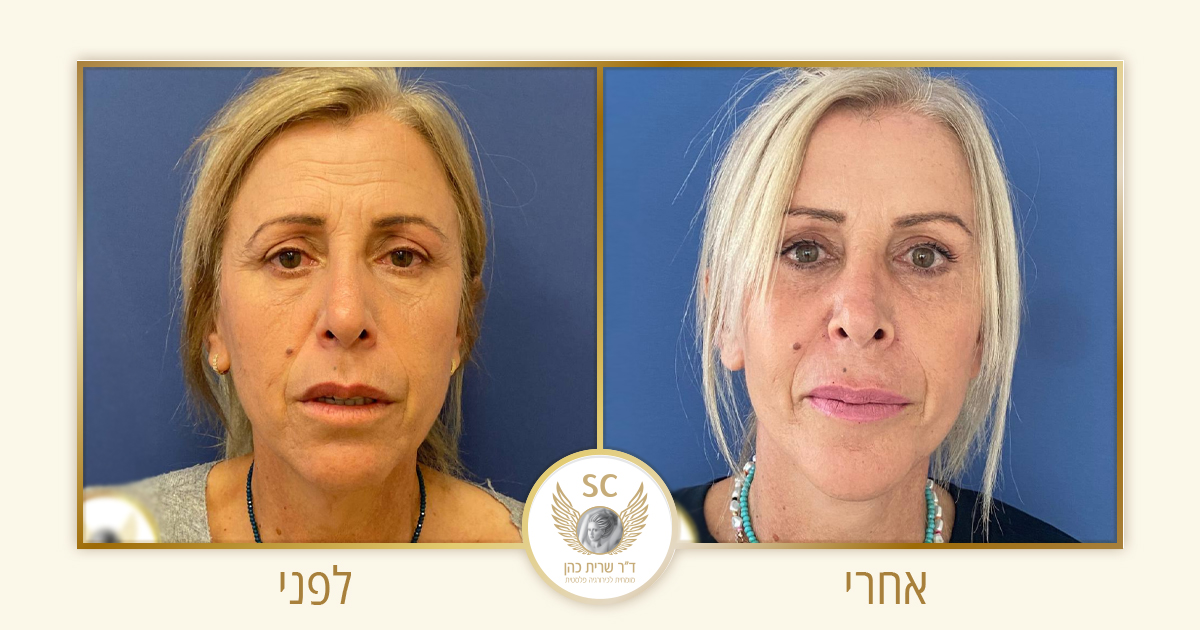
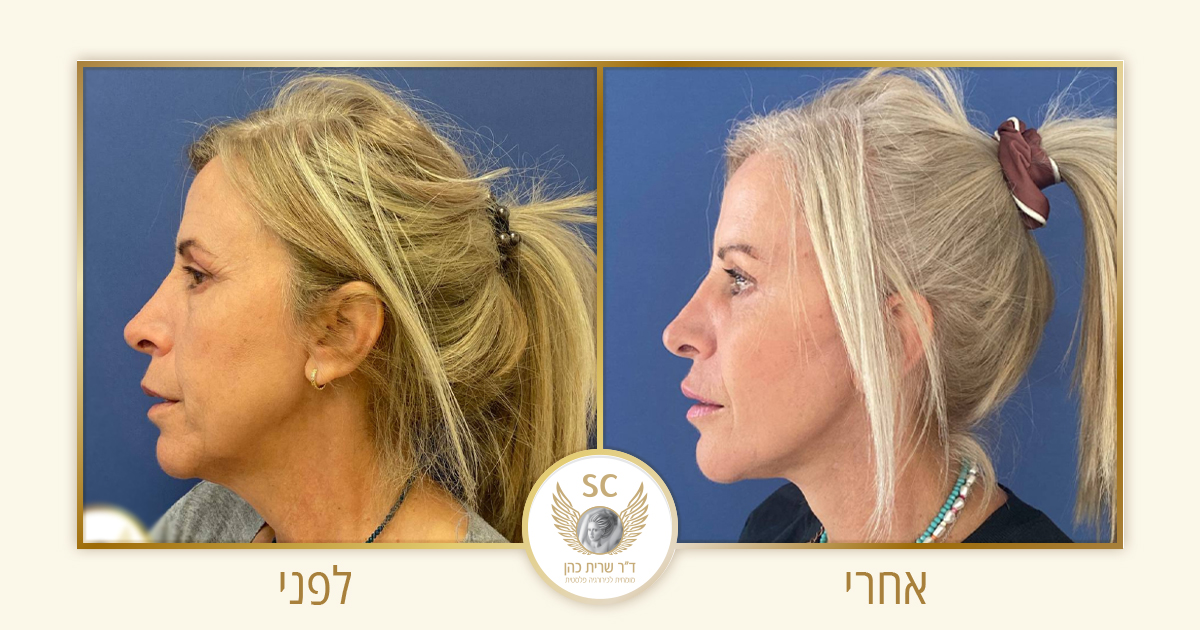
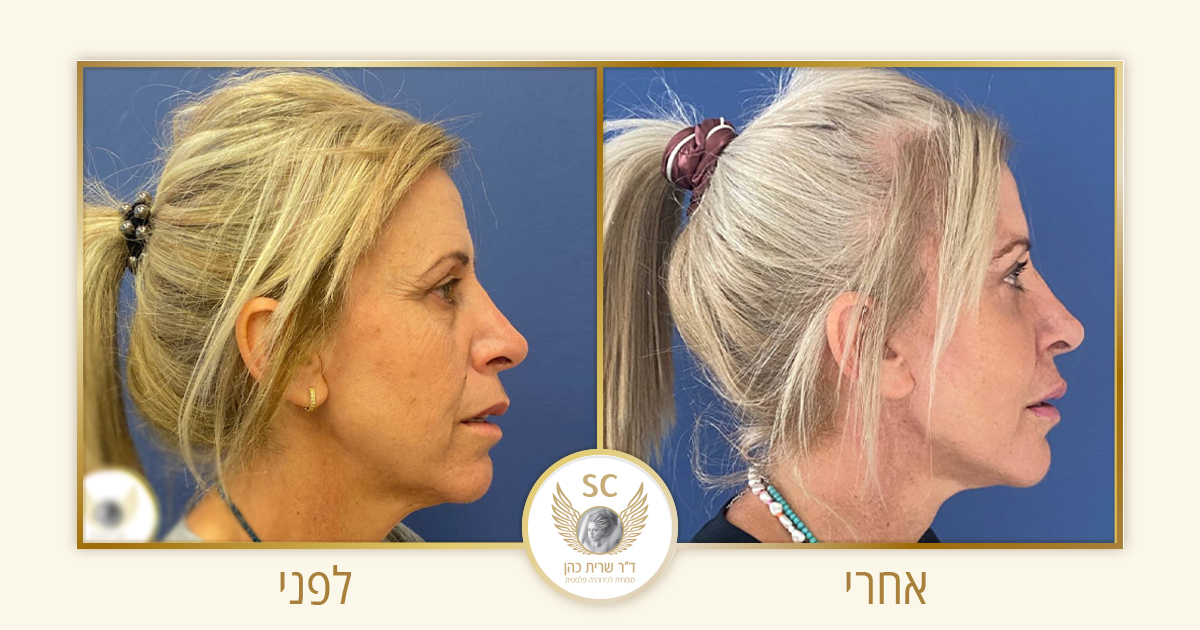
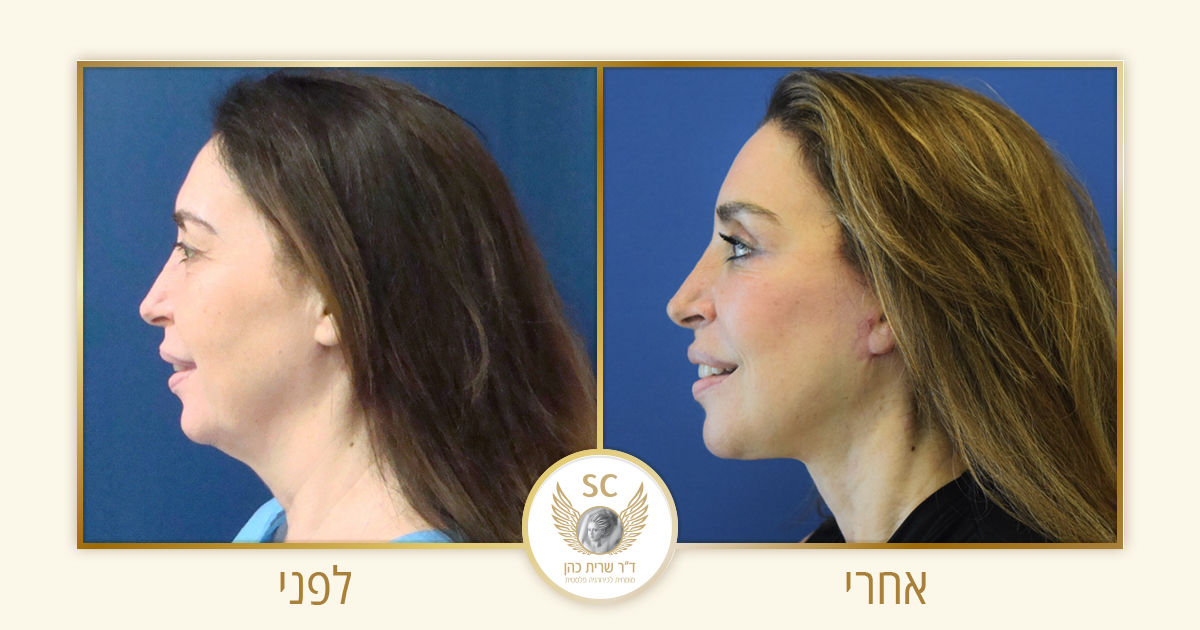
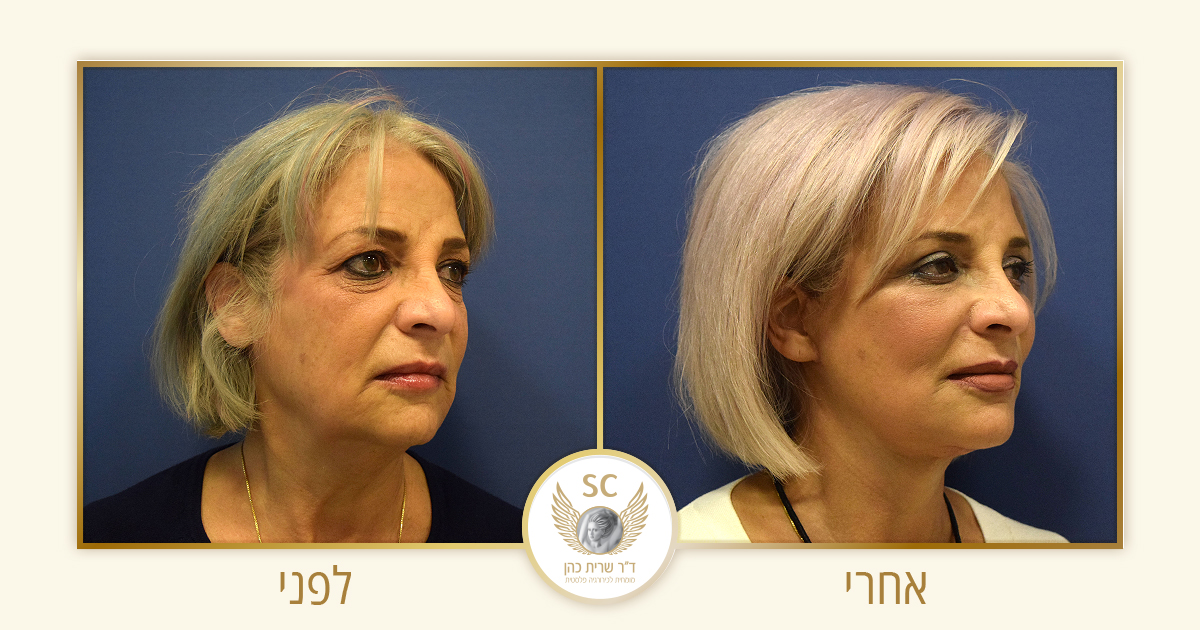
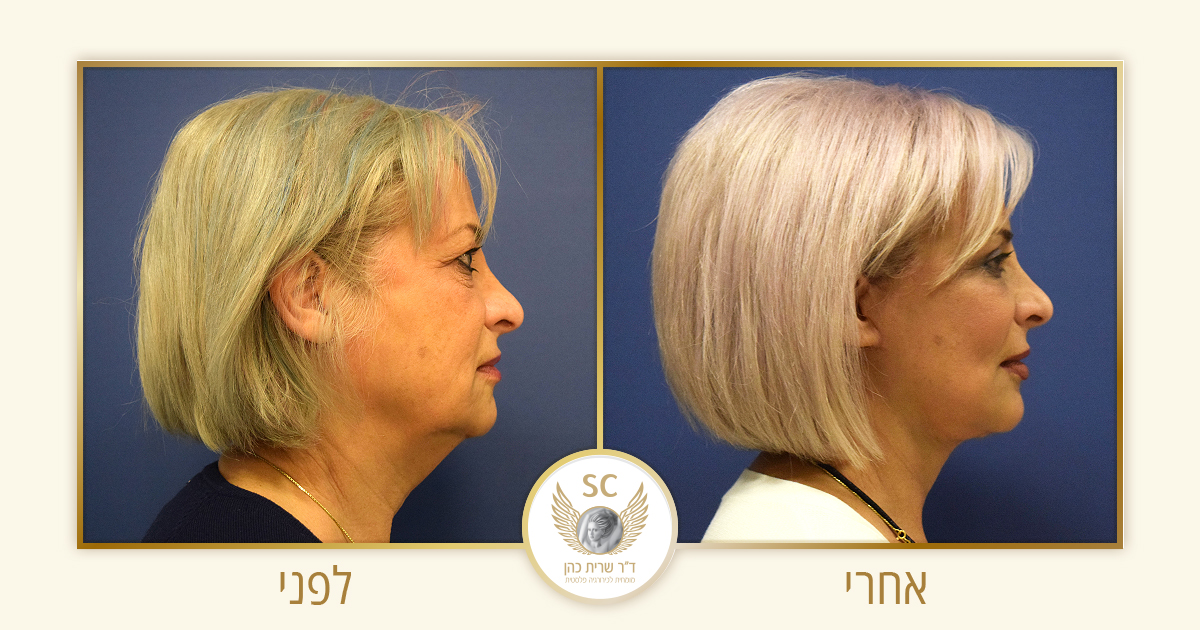
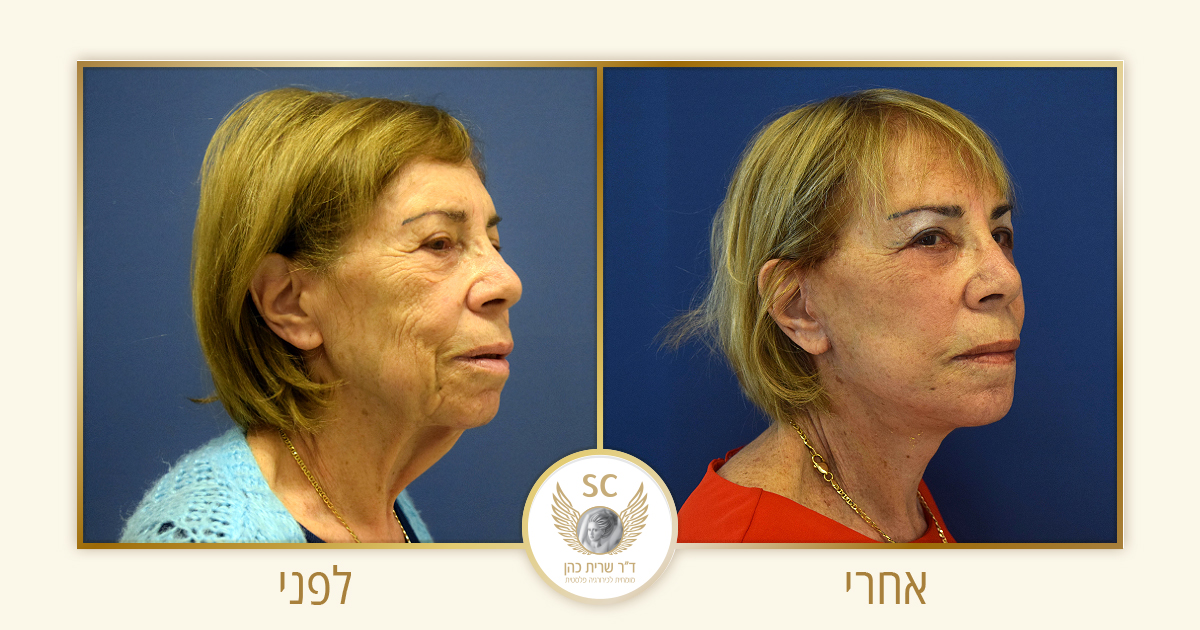
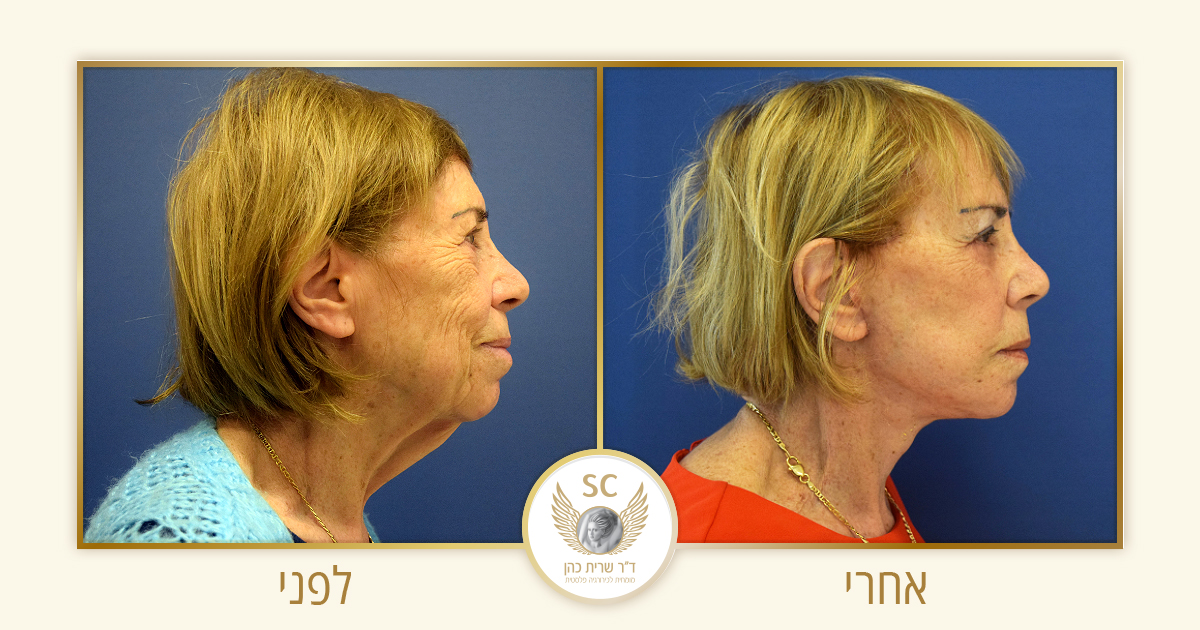
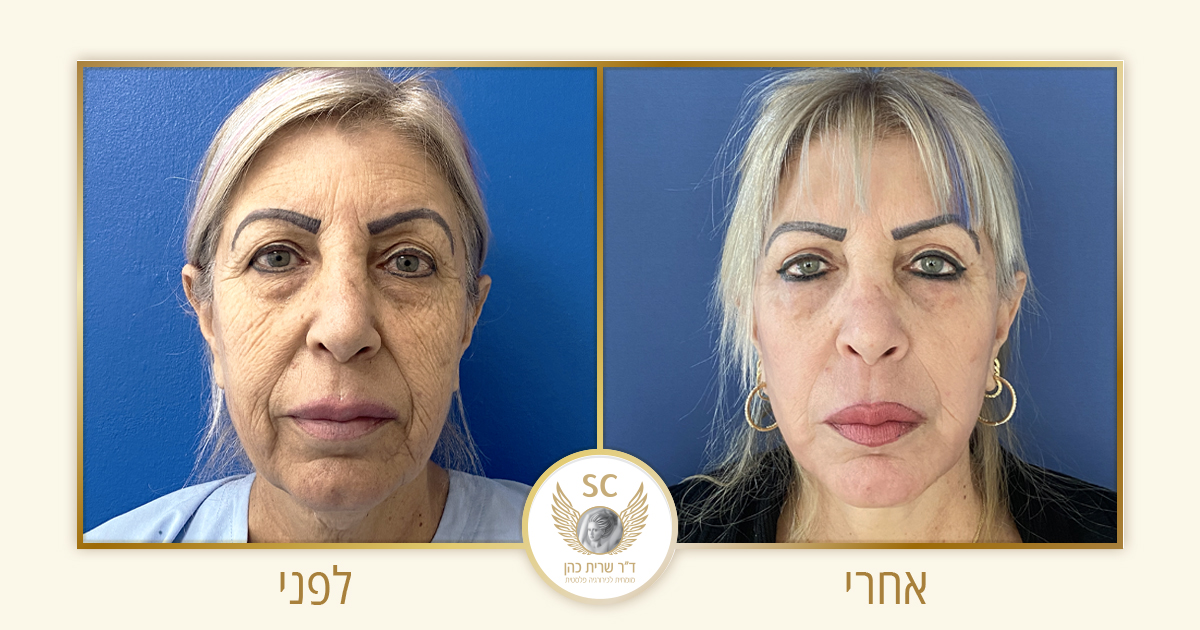
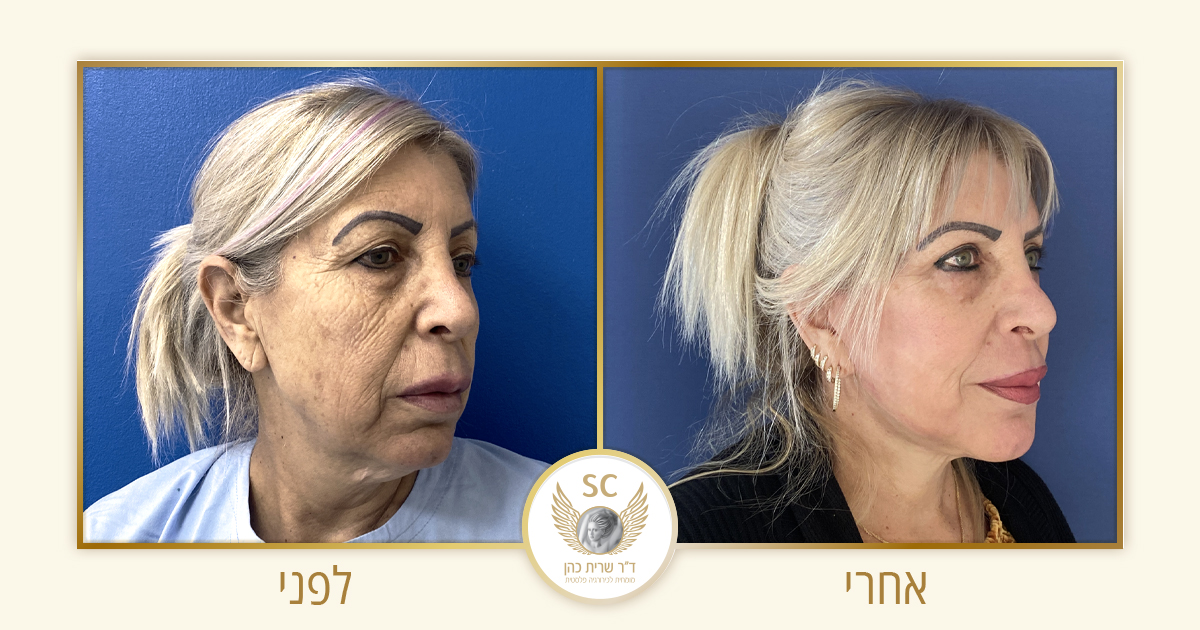
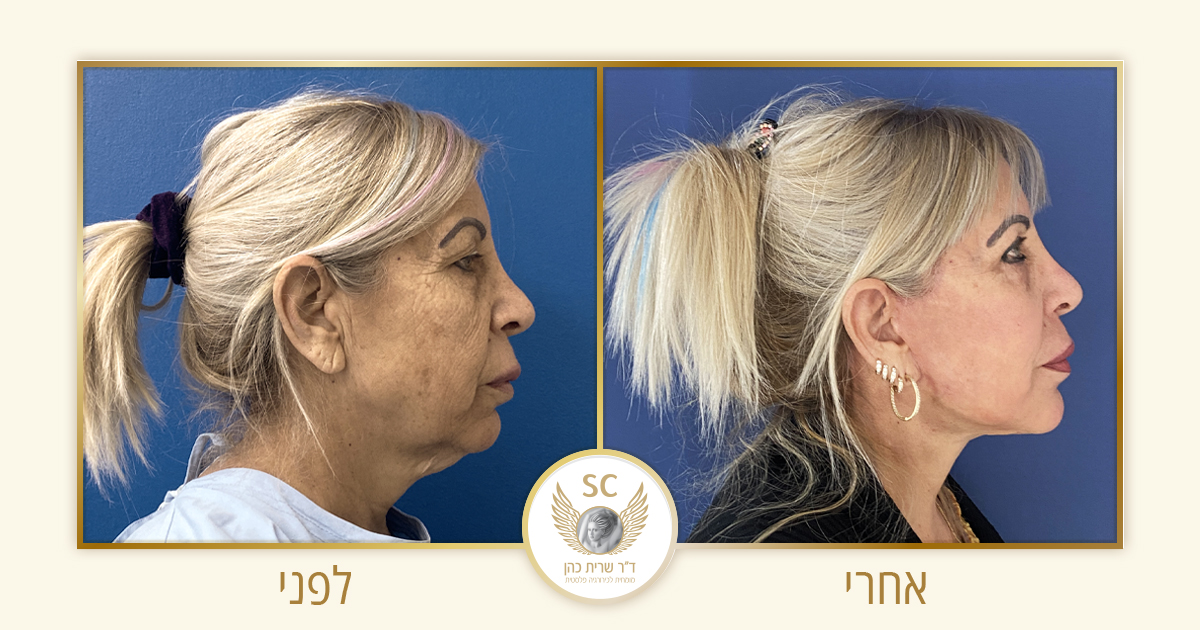
פיסול פנים » Surgical Facial Contouring
There are three main components of facial aging:
Excess Skin: Found in front of the ears, above the nasolabial fold, beneath the jawline, and along the neck.
Facial Tissue Ptosis (Sagging): Downward and inward displacement toward the center of the face caused by the loosening of supporting ligaments that anchor skin to subcutaneous tissue. This results in folds such as nasolabial folds and marionette lines, an undefined jawline, and a loss of the sharp cervicofacial angle.
Volume Loss: Caused by subcutaneous fat resorption or displacement. Volume loss flattens the cheek line and hollows the midface, transforming youthfully rounded, heart-shaped contours into a elongated, rectangular frame.
The goal is to achieve a naturally youthful, aesthetic appearance by anatomically restoring age-related structural changes.
Facial rejuvenation has evolved significantly in recent decades. Historical techniques focused solely on skin laxity through two-dimensional skin tightening, which often yielded flat, unnatural, or expressionless results.
Advancements in understanding facial anatomy and vector mechanics led to modern Facelift / Facial Lifting methods. This approach elevates sagging structural tissues—specifically tightening the Superficial Musculoaponeurotic System (SMAS)—to their natural youthful position while draping skin conservatively over the restored foundation.
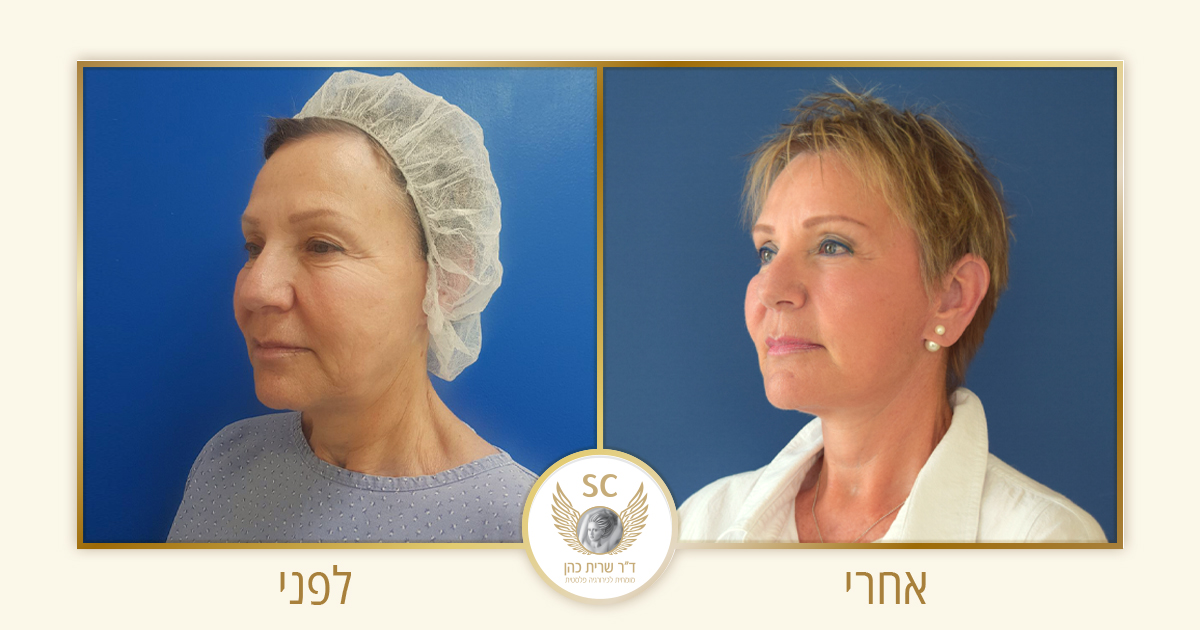
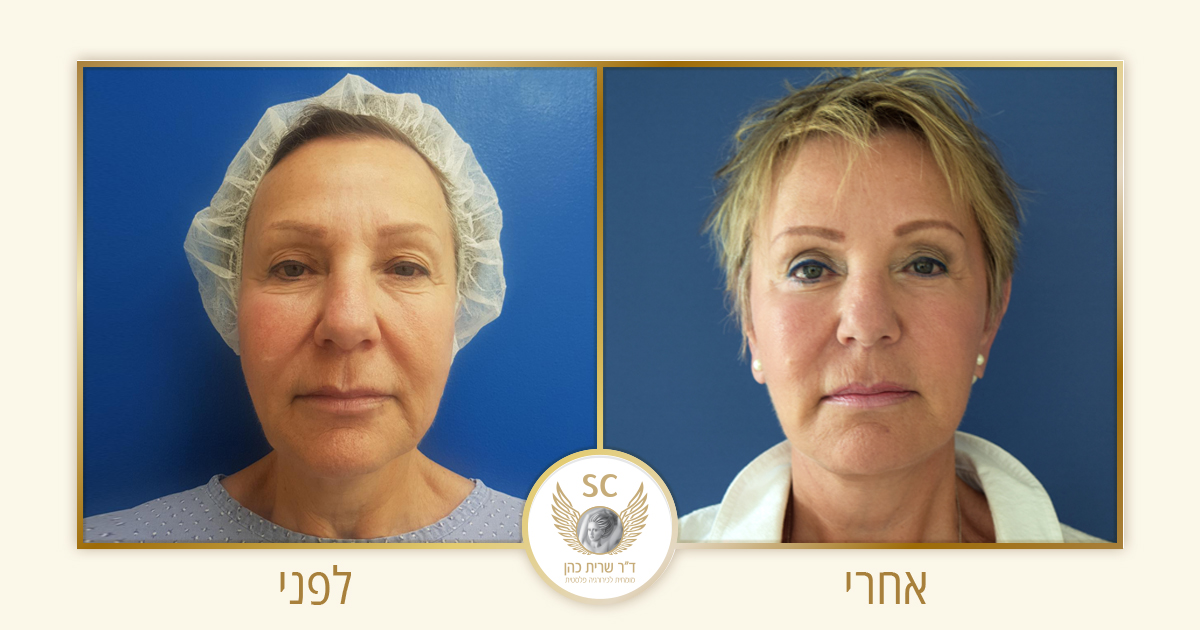
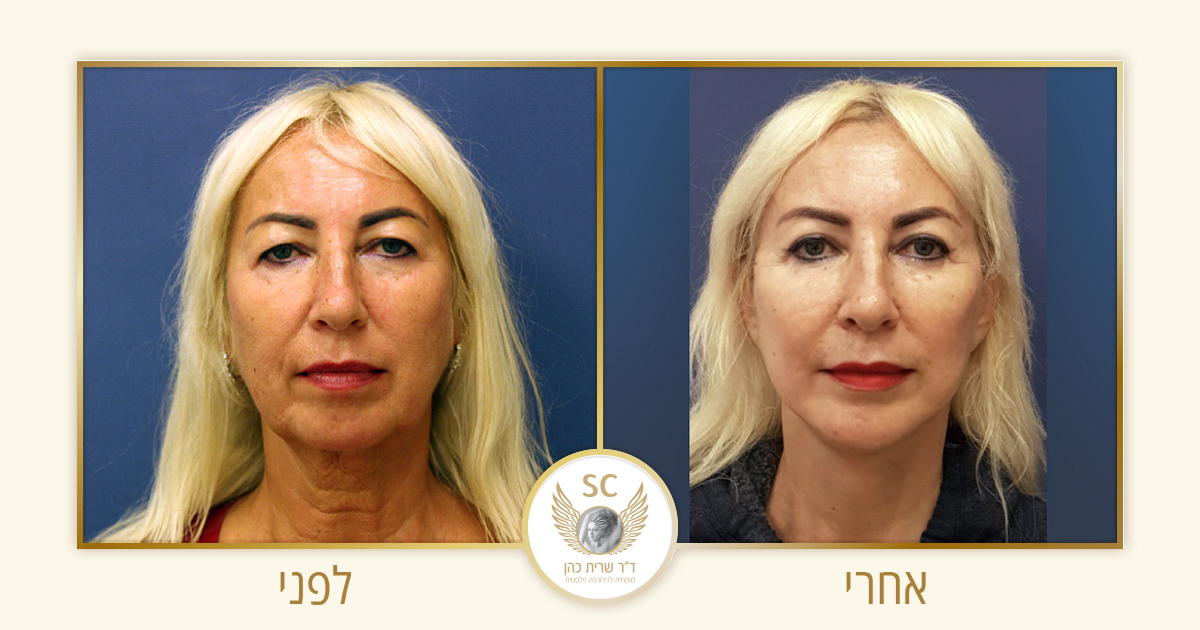
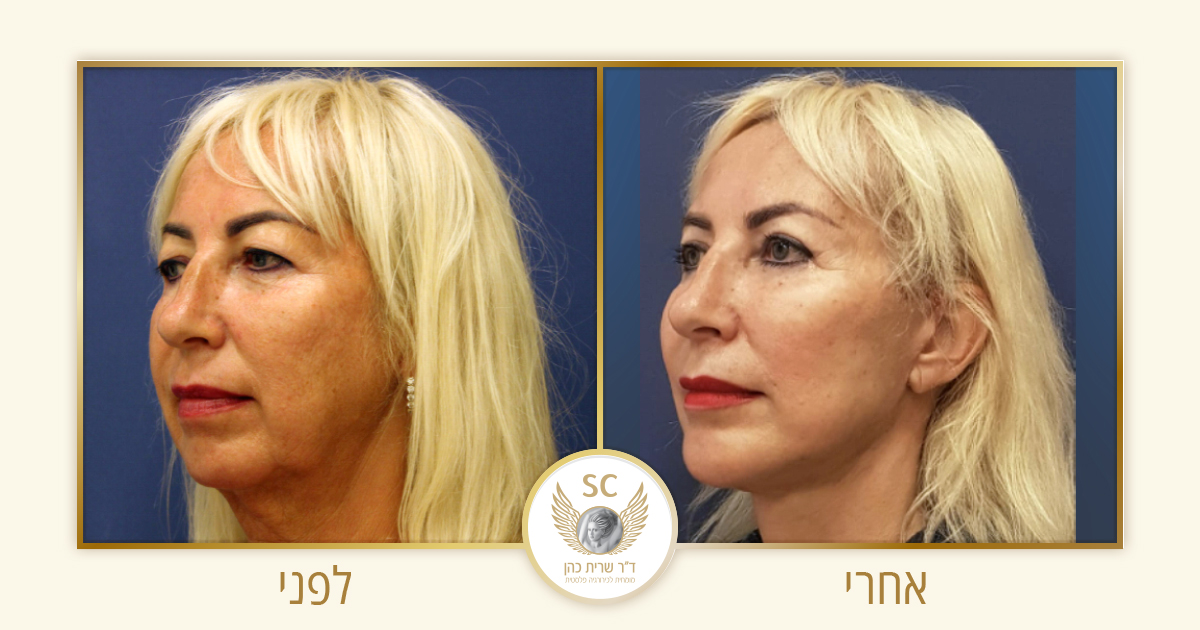
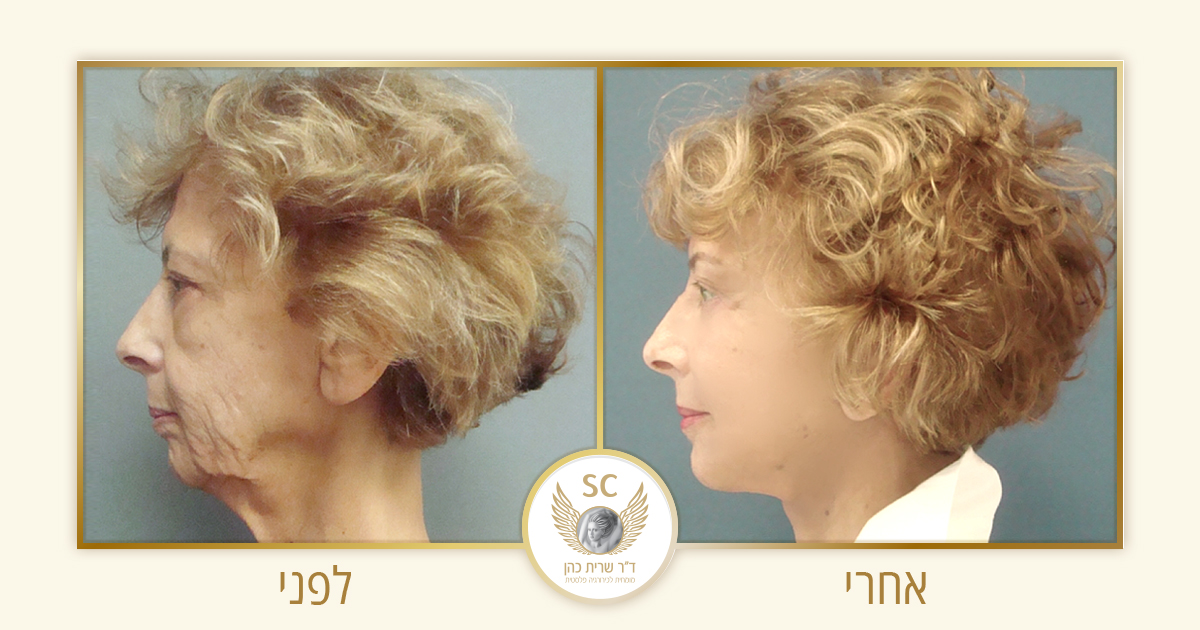
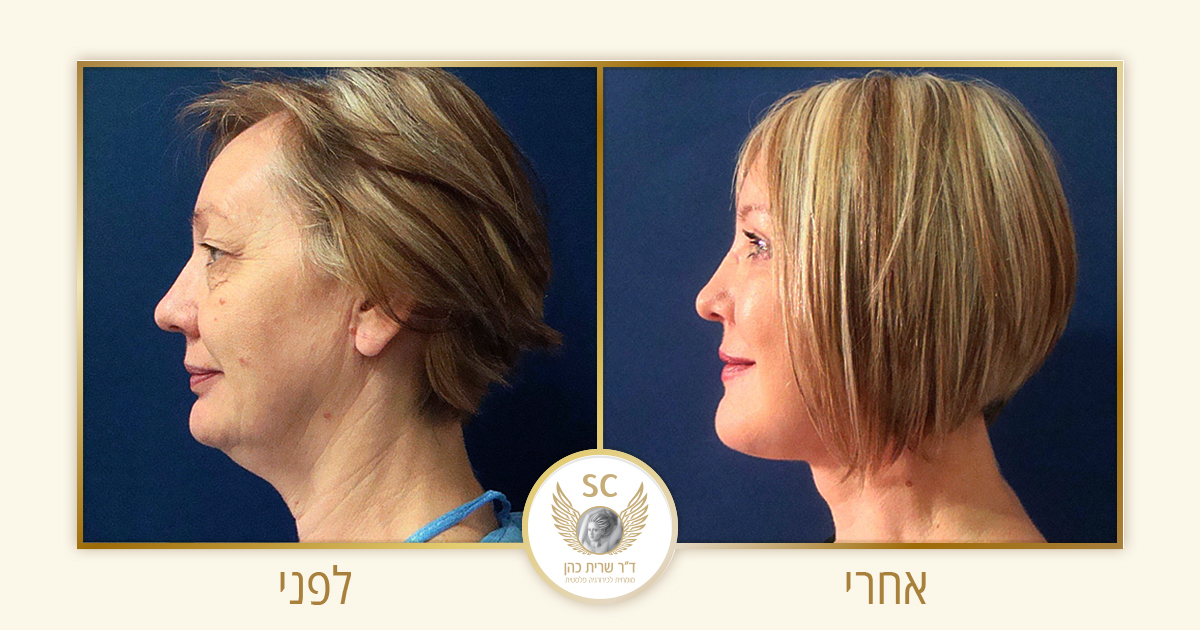
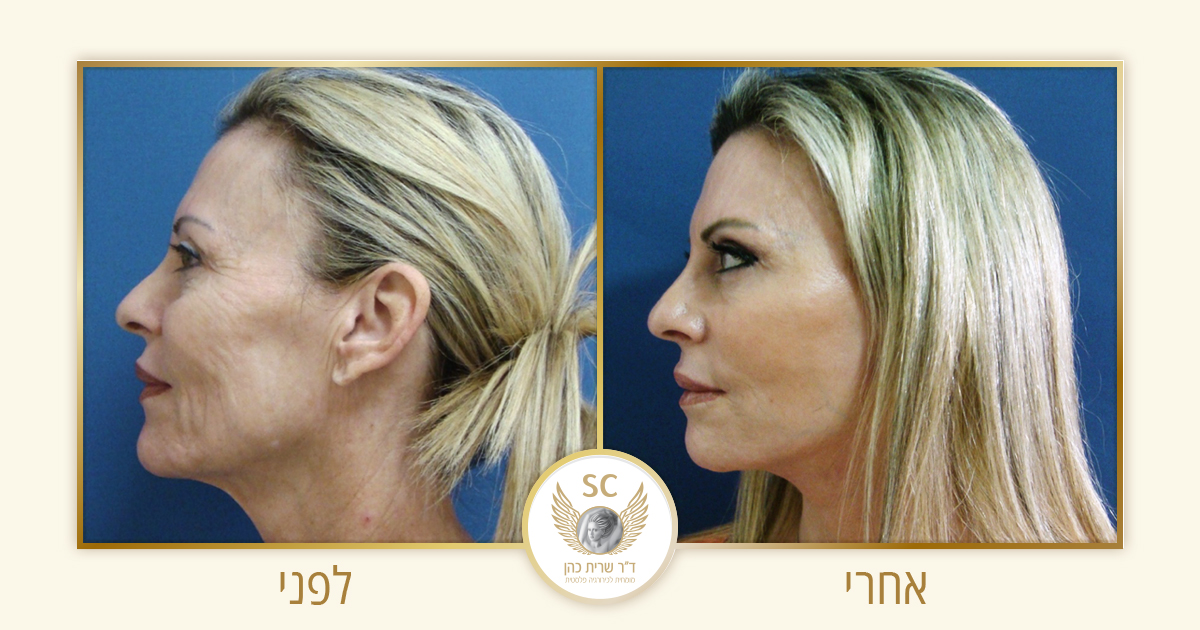
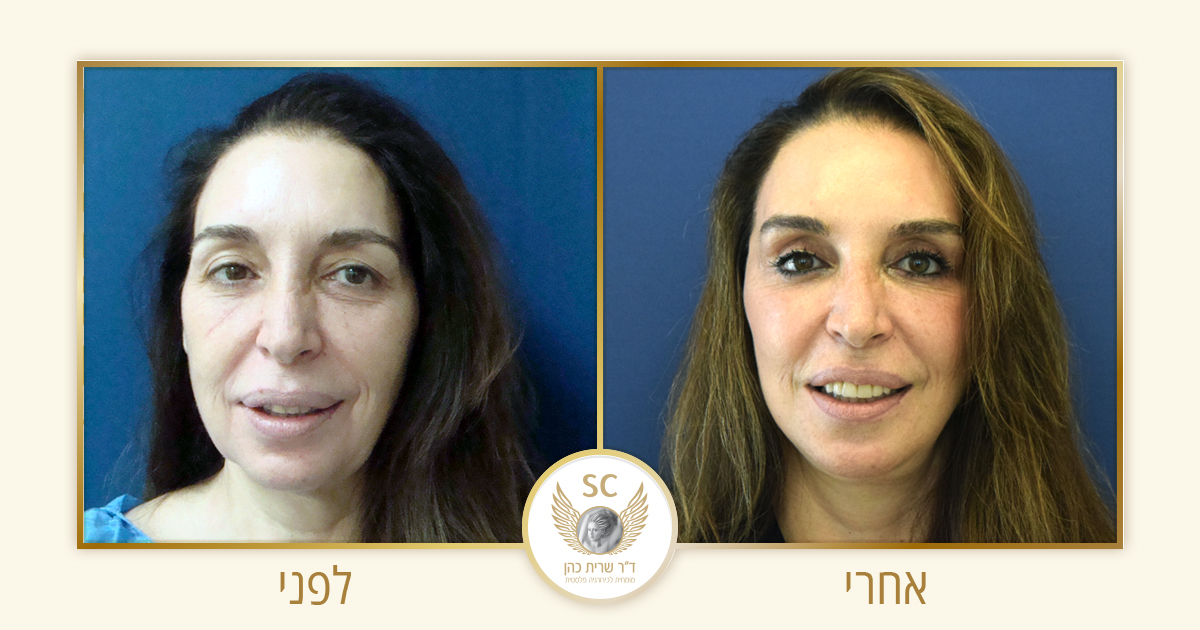
Today, the ultimate comprehensive solution is Facial Contouring (Facial Sculpting). This three-dimensional approach simultaneously addresses skin excess, tissue ptosis, and volume loss through targeted skin excision, SMAS tightening, and autologous fat transfer. Facial contouring treats all structural layers (skin, subcutaneous tissue, and fat) across all facial zones—frequently combined with blepharoplasty, brow lifts, fat grafting, or lip reshaping for harmonious, natural-looking results.
This approach customizes the surgical plan to individual aging patterns:
Wide faces with central sagging: Lateral vector lifting counters midface folding.
Elongated faces with jawline sag: Vertical vector lifting restores cheek projection and breaks the rectangular contour.
Clinical presentation takes precedence over chronological age. When skin laxity and tissue ptosis are present, facial contouring is the ideal solution—even for younger patient demographics.
To achieve optimal outcomes, Dr. Sarit Cohen conducts a thorough pre-operative assessment analyzing skin quality, elasticity, thickness, texture, fat distribution, line depth, and platysmal banding. Digital 3D modeling and historical photographs assist in surgical planning and managing patient expectations.
For mild laxity confined strictly to the midface without neck involvement (typically seen in patients in their 40s), a Mini Facelift (Mini Cheek Lift) is recommended.
Yes. Given modern life expectancy, advanced physiological monitoring, and current anesthetic techniques, cosmetic procedures are safe and effective for senior candidates provided they meet medical clearance criteria.
Incision and Dissection:Incisions are concealed within the temporal hairline, along the anterior ear margin, retro-tragally, around the earlobe, and extending into the posterior hairline. Skin is meticulously dissected from underlying facial and neck structures.
SMAS Manipulation: The SMAS layer is suspended or partially imbricated according to pre-operative vector design.
Neck Contouring: Neck fat is addressed via liposuction when necessary. Platysmal bands are tightened medially (hammock technique via a submental incision) and anchored laterally.
Adjunctive Procedures: Redundant skin is conservatively excised. Additional procedures—such as upper/lower blepharoplasty, temporal brow lifts, or micro-fat grafting to the cheeks, lips, chin, and jawline—are performed simultaneously to define the jawline and restore an optimal cervicofacial angle.
Surgical risks are rare following facelift procedures. The most common complication is a hematoma (subcutaneous bleeding). Early detection is critical for prompt drainage to avoid skin compromise.
Recovery varies by procedure scope and individual healing capacity:
Mini Cheek Lift: 3 to 7 days.
Full Face and Neck Lift: 10 to 14 days.
Post-operative Care Instructions:
Avoid strenuous activity and bending forward.
Surgical drains are typically removed on Day 1, and sutures are removed after approximately 7 days.
Transient swelling and asymmetrical bruising are expected inflammatory responses. Sleeping with an elevated head and upright neck accelerates edema resolution.
Gentle hair washing and cleansing of suture lines with mild soap and water is recommended starting Day 1 post-surgery.
Bruising resolves within two weeks and may be concealed with camouflage makeup after initial healing.
Temporary tightness around the jaw and neck or localized numbness around the ears and upper neck usually resolves spontaneously over several months.
Facial and neck contouring typically sets back the clock by 5 to 15 years, with longer longevity observed in patients with finer skin quality. Results can be sustained through sun protection, a healthy lifestyle, and non-surgical maintenance treatments—such as botulinum toxin for dynamic lines or hyaluronic acid fillers to compensate for ongoing volume loss.
While surgery does not stop the chronological aging process, secondary or tertiary rejuvenation procedures are common safe options for maintaining facial harmony over time.
Continued use of the site constitutes agreement to this.
למידע נוסף ניתן לעיין במדיניות הפרטיות.